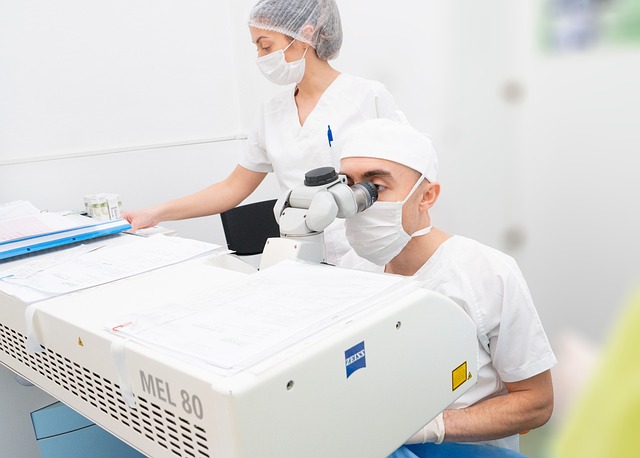
Modern Wart Removal: Surgical to Painless Techniques & Prevention
Modern medical advancements offer less invasive alternatives to traditional surgical wart removal pr.......
Read more →
Surgical wart removal procedure stands as a specialized medical intervention aimed at eliminating warts, small, rough growths on the skin caused by certain types of human papillomaviruses (HPV). This article delves into the intricate world of this procedure, exploring its historical roots, global impact, technological advancements, and future potential. By examining these aspects, we aim to provide a comprehensive understanding of how surgical wart removal shapes dermatological care worldwide.
Surgical wart removal is a minimally invasive surgical technique employed to excise (cut out) or destroy warts that are resistant to conservative treatments. The procedure involves a qualified healthcare professional, often a dermatologist or surgeon, who utilizes specialized tools to remove the wart and some surrounding skin to prevent recurrence. This method is typically considered for warts that have not responded to topical treatments or are causing significant discomfort or disfigurement.
Key Steps:
Assessment: The initial step involves a thorough examination of the wart to determine its type, size, location, and overall health. This helps in choosing the most suitable removal technique.
Anesthesia: Local anesthesia is administered to numb the area surrounding the wart, ensuring the patient experiences minimal pain during the procedure.
Excisional Techniques: Depending on the wart's characteristics, various surgical techniques are employed:
Healing and Follow-up Care: After removal, the treated area is dressed, and patients are provided with instructions for wound care and potential medication to alleviate discomfort. Regular follow-up visits ensure proper healing and address any concerns.
The practice of removing warts has roots in ancient civilizations, including Egypt, Greece, and China, where various natural remedies and surgical techniques were employed. However, modern surgical wart removal gained prominence in the 20th century with advancements in dermatological surgery. The development of local anesthesia significantly improved patient comfort during these procedures. Over time, refinements in surgical techniques and tools have made wart removal more precise and efficient, leading to better outcomes.
Surgical wart removal procedure is a global phenomenon, with variations and preferences differing across regions due to cultural, economic, and healthcare system factors. In developed countries, access to specialized dermatological care allows for advanced removal techniques, while resource-constrained settings may rely more on traditional, less invasive methods.
The global wart removal market is a niche yet significant segment within the broader dermatology industry. The demand for effective and efficient removal procedures drives market growth, with advancements in technology and techniques attracting investments from pharmaceutical and medical device companies.
Market Drivers:
Private equity firms and venture capital investors show interest in dermatological innovations, particularly those that streamline wart removal processes. Companies focusing on developing specialized equipment, improving anesthesia techniques, and creating novel antiviral medications are attracting significant funding.
Technological advancements in surgical wart removal have improved success rates, reduced procedure times, and minimized patient discomfort. The future holds promise for even more sophisticated tools that can enhance precision, particularly in delicate areas like the face and hands. Integration of advanced analytics and artificial intelligence may enable personalized treatment plans, further revolutionizing this field.
The regulatory landscape surrounding surgical wart removal varies globally, shaped by local healthcare systems and cultural norms. Key policies and regulations include:
Regulatory frameworks play a pivotal role in shaping the availability and adoption of new technologies in surgical wart removal. Stringent regulations ensure safety but may delay market entry for innovative products. On the other hand, well-defined guidelines encourage research and development, leading to improved treatments. Balancing these aspects is crucial to ensuring patients have access to safe, effective, and affordable wart removal options.
Despite its effectiveness, surgical wart removal faces several challenges:
Addressing these challenges requires a multi-faceted approach:
A 45-year-old patient presented with a large, persistent hand wart that had failed conservative treatment. Using a combination of laser surgery and RFA, the dermatologist successfully removed the wart in two sessions, achieving excellent cosmetic results. Post-procedure care included topical medication and bandaging, ensuring minimal disruption to the patient's daily activities.
A group of school-aged children suffered from numerous flat warts on their faces and necks. A dermatologist employed a scisson technique, carefully excising each wart while minimizing trauma to surrounding skin. Topical medication was prescribed post-surgery to prevent recurrence. The patients' parents expressed satisfaction with the results, noting improved self-esteem among their children.
An elderly patient with diabetes and compromised immune function developed a cluster of warts on their lower legs. Due to the high risk of complications, a minimally invasive surgical approach was chosen. The procedure involved electrocautery and careful wound care post-surgery. The patient's condition improved significantly, highlighting the importance of tailored treatment for vulnerable individuals.
The future of surgical wart removal holds immense potential in several areas:
To capitalize on these prospects, healthcare providers and researchers should:
Surgical wart removal procedure stands as a testament to medical innovation, offering effective solutions for challenging skin conditions. Its global impact underscores the universal need for specialized dermatological care. As technology advances and our understanding deepens, this field continues to evolve, promising improved outcomes and enhanced patient experiences. By addressing challenges, embracing new technologies, and fostering collaborative efforts, healthcare professionals worldwide can ensure that surgical wart removal remains a valuable asset in managing HPV-related conditions.
Q: How painful is surgical wart removal? A: Pain levels vary depending on the individual and the size/location of the wart. Local anesthesia significantly reduces pain during the procedure, and post-operative discomfort is typically manageable with over-the-counter medications.
Q: Are there any risks associated with this procedure? A: Like any surgical procedure, there are potential risks, including scarring, infection, and temporary discoloration. However, these are usually minor and can be minimized with proper post-operative care.
Q: Can warts come back after removal? A: Recurrence is possible, especially with certain types of HPV. Regular follow-up visits and proper wound care help reduce the likelihood of recurrence.
Q: Is surgical removal more effective than topical treatments? A: Both approaches have their merits. Topical treatments are often preferred for smaller, less invasive warts, while surgical removal is indicated for larger, persistent, or aggressive cases. Success rates depend on various factors, including wart type and patient health.
Q: How much does surgical wart removal cost? A: Costs vary widely based on geographical location, healthcare system, and the complexity of the procedure. It is advisable to consult with a qualified healthcare provider for accurate pricing information.